Elevate Your Home With Professional Design Services
Enhancing a home through expert architectural solutions involves more than just aesthetics. It demands a deep comprehension of functional design and local building codes. Working with an experienced architect can address typical obstacles while improving property worth. The process is systematic and comprehensive, ensuring that every detail aligns with the homeowner's goals. Yet, many homeowners struggle to navigate this journey successfully. What steps can they take to secure a successful partnership?
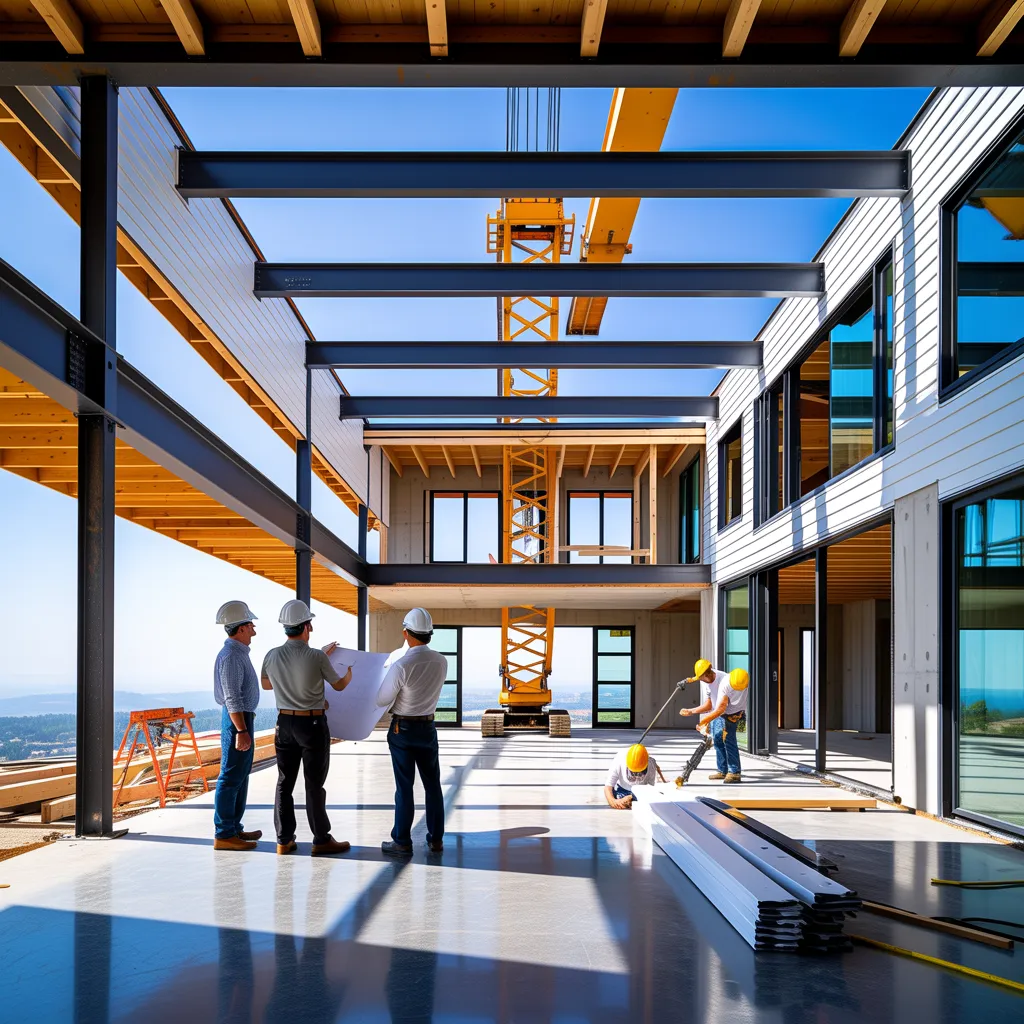
Common Home Design Challenges and How Architects Support
What renders home design so tough for countless homeowners? The complexity of merging aesthetic tastes with everyday needs often exhausts them. Homeowners regularly struggle with room constraints, financial constraints, and legal requirements, making the design process more difficult. Additionally, many do not have the required expertise needed to address structural challenges and building codes.
Architects represent an vital role in reducing these issues. Their expertise allows them to address the nuances of architecture, making sure that a homeowner's goal harmonizes with concrete circumstances. Architects can present novel approaches to enhance space while following safety regulations. They also participate in building integrated designs that showcase the resident's taste. By sharing knowledge into substances and building techniques, architects assist expedite the choice-making stage. In the end, their competence converts a apparently overwhelming project into a joint experience, encouraging a equilibrated balance between ingenuity and applicability in home planning.
Reasons to Team Up With a Professional Architect
Collaborating with a skilled designer enhances the residential design process by integrating expert knowledge with the client's vision. Architects contribute a wealth of experience in design principles, structural codes, and eco-friendly methods, ensuring that the development not only meets aesthetic goals but also complies with regulations. Their skill in envisioning and express intricate concepts helps in transforming abstract concepts into concrete plans.
Furthermore, architects can offer innovative solutions to design obstacles, optimizing layout and functionality. They also oversee the complexities of the building phase, coordinating with contractors and suppliers to guarantee schedules and finances are maintained. This expert supervision minimizes possible mistakes and reduces the stress associated with home building or renovation. Ultimately, working with an architect results in a thoughtfully crafted, unified space that embodies the homeowner's character while boosting overall property value.
What Are the Key Steps in the Building Design Process?
What is the way the architectural process progresses from initial idea to completion? The progression starts with an initial consultation, where the designer and customer address goals, needs, and financial resources. This phase is important for creating a clear vision. Next, the designer conducts location evaluation, examining aspects like terrain, climate, and zoning regulations.
After this, the design stage gets underway. In this phase, drawings and 3D models are made, allowing the client to envision the project. When the design is approved, the architect assembles detailed professional advice construction documents, including specifications and drawings.
Upon obtaining necessary permits, the project moves into the building stage. The architect regularly works with contractors to ensure that the design is executed correctly. Regular site visits and evaluations help preserve quality and adherence to the original vision. Finally, the project culminates in a walkthrough, verifying that the finished structure satisfies the client's expectations before the official handover.
How Should You Search for the Perfect Architect for Your Home?
Locating the perfect architect for a home involves careful evaluation and investigation. Potential property buyers should start by determining their particular needs and budget, which will guide their search. Recommendations from acquaintances, family, or real estate professionals can provide useful connections. Online portfolios and testimonials help in evaluating an architect's previous work and customer satisfaction.
Next, prospective clients should consult with several candidates to assess their manner of speaking, experience, and design methodology. It's crucial to discuss project timelines and client expectations to ensure agreement. Additionally, verifying credentials and checking for proper licensing and credentials can prevent potential issues down the line.
To conclude, property owners should go with their inner voice. The excellent architect should not only have the necessary skills but also match the homeowner's vision and values. This mutual understanding supports a team-oriented atmosphere, finally enabling a effective collaboration in realizing a dream home.
Techniques to Convey Your Vision Powerfully
Transmitting a objective for home design effectively is indispensable for a successful partnership between property owners and design consultants. To achieve this, property owners should start by explicitly specifying their requirements and selections. Assembling a mood board with graphics, pigments, and materials can help transmitting visual goals. Additionally, specifying practical criteria, such as space allocation and layout, guarantees that the architect understands practical components.
Property owners should also take part in frank discussion, encouraging questions and feedback to refine their vision. Frequent meetings during the design process foster collaboration and transparency. Using clear communication to express ideas and concerns can avert confusion and help match goals.
Finally, remaining open to the architect's expertise enables a more dynamic exchange of ideas. By merging personal vision with professional insight, homeowners can facilitate a productive partnership that results in a beautifully designed space showcasing their aspirations.
How to Plan finances for Architecture Solutions
While beginning a home design project, establishing a budget for architecture services is crucial to avoid financial strain later. Homeowners should begin by researching typical fees in their area, which can vary based on the project's complexity and the architect's experience. It is recommended to allocate a percentage of the overall project cost specifically for architectural services, typically ranging from 5% to 15%.
Next, buyers should examine the extent of services necessary—whether they seek full design and project management or merely initial consultations. Discussing openly with candidate architects about their billing practices can clarify costs.
Additionally, homeowners should account for potential revisions and unexpected expenses, building a buffer into the budget. By explicitly establishing their budget limits in advance, customers can ensure they choose an architect who matches their vision while remaining within their financial boundaries.
Frequently Requested Questions
What Styles of Structural Style Can I Choose for My Home?
Homeowners are able to select from numerous design options, featuring modern, traditional, colonial, Mediterranean, and contemporary. Each style provides distinctive aesthetics and functionality, permitting individuals to convey personal taste while considering regional influences and environmental factors.
How Much Time Does the Structural Design Process Typically Consume?
The design undertaking typically requires several months, reliant on complexity factors, design clearances, and local restrictions. Elements such as client feedback and construction schedules can also determine the schedule markedly over the full process.
Can Design professionals Assist With Sustainable Design Choices?
Architects can truly support with green design alternatives. They include environmentally responsible materials, energy-efficient systems, and creative floor plans, ensuring projects reduce environmental impact while maximizing functionality and aesthetic appeal, matching with clients' sustainability goals successfully.
What Qualifications Should I Find in an Building Designer?
When selecting an architect, one should consider their education, professional credentials, expertise with similar undertakings, collection demonstrating their aesthetic approach, and knowledge of local building codes. Interpersonal abilities and client testimonials also play vital roles in the selection process.
How Can Architects Resolve Zoning and Permit Difficulties?
Architects address regulatory challenges by performing comprehensive analysis on local regulations, preparing necessary documentation, and liaising with municipal authorities. Their expertise guarantees compliance, expediting the approval process for customer developments effectively.